
What to Look for in a Natural Food Color Distributor
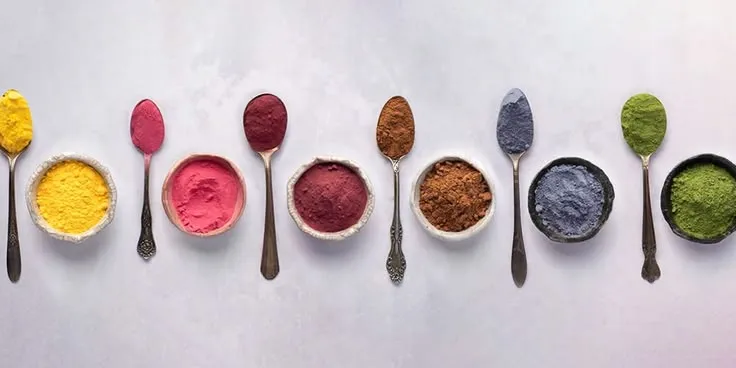
For manufacturers who are making new products or expanding current product lines, choosing the proper ingredient source can prove to be easier when procuring food. Different colors, formats, applications and supply solutions are available depending on the type of ingredients as well as depending on the suitable distributor. When businesses are looking to select a Natural food color distributor, they must know what they need to look for to streamline the sourcing process and ensure that they are able to produce the desired ingredients.
Define Your Sourcing Requirements
The first step is to find out exactly what the business requires. By reaching out to distributors, manufacturers can give distributors the colors they need, the type of food they will be using the colors on, the color format they prefer, how much they need to produce, and the time frame they need it.
The ingredients an alcohol manufacturer may need are different than those needed by a candy or bakery company. Likewise, a business using powder products will have requirements different from a business making liquid formulations. Clear requirements enable more targeted discussions with distributors, and help businesses choose among options to match their production requirements.
Explore Available Color Sources
Natural color ingredients can be from a variety of naturally grown and botanical sources. Different hues for food and beverage applications can be achieved using beetroot, turmeric, annatto, black carrot, spirulina and others.
The broad product selection by a distributor can provide the manufacturer with greater flexibility in the development of products. Teams are not restricted to just one-color source, but they can choose different ones based on the desired color and formulation. The last selection should depend on the whole product concept, that is, food matrix, processing condition, appearance.
Understand the Role of a Natural Food Colorant
The quality of a natural food colorant can be more than just appealing. It may be appropriate or inappropriate for particular applications and may vary depending on the formulation of the ingredients, the concentration, and the processing environment, as well as the surrounding formulation.
The technical properties of a colorant should thus be checked before its use for commercial purposes is considered by the manufacturers. Samples can be tested in the actual formulation that the product is intended for production to understand how the color develops, and if the ingredient is appropriate for the production process. Such an application-oriented approach enables companies to make decisions based on real results instead of just how it looks.
Ask About Product Formats
Many color ingredients are available in various forms, including liquid or powder; these are usually thought about for separate production lines. This will be determined by the way the ingredient must be measured, mixed and dispersed.
The manufacturers can communicate with the distributor about their equipment and the formulation process to find the appropriate equipment. A powdered color can be incorporated into a dry mix, or a liquid version may be easier for certain liquid color formulations. Experiments with the preferred format during the actual production process can be helpful in obtaining information on handling and incorporation.
Review Product Information
Manufacturers can check out the specifications and technical documents in hand before buying in bulk. Descriptions of the source, form, application, concentration, handling and recommended use of the ingredients can be useful in the selection process.
When multiple teams are working, it is particularly helpful to have clear product info. The same information can be utilized by product development, procurement, quality, and production personnel for product evaluation should they choose to use the same information when evaluating an ingredient.
It can also be useful to have samples available. Retesting the product itself can provide a manufacturer with the information needed to determine whether or not it is suitable before entering into a regular purchasing contract.
Consider Supply Capabilities
A distributor needs to be assessed based on the immediate as well as long-term production needs. The potential quantities, packaging, ordering times and anticipated requirements of the businesses should be taken into consideration.
This can be especially helpful as a product is transitioned from development to commercial production. If production is to be increased, the demand for ingredients may also increase, so a discussion of future requirements could be useful for good planning.
In addition, manufacturers can share with customers how many times they are likely to place an order and how much will be produced to help determine the proper sourcing plan.
Build a Practical Selection Process
A straightforward assessment procedure can assist manufacturers in assessing who the potential distributors are. The assessment can cover the product range, formats available, technical information, samples, application support and supply capabilities.
After the right ingredient is found, the manufacturers can record the preferred product, dosage, application method and purchasing requirements. This will give a valuable reference for production and repeat orders in the future.
Conclusion
When it comes to a natural food color distributor, it’s important to know about the food color and the process used to obtain it. Through a color source and color product format review, technical information, application support, samples and long-term supply capabilities, manufacturers are able to develop a more practical sourcing approach. When considering your next food or beverage product, visit foodrgb.com to find the colors that are good to use and advance your product ingredient selection.


