
Popcorn color powder for snacks that need better shelf appeal
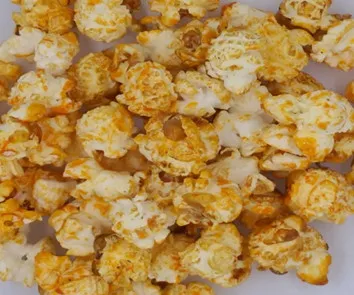
Popcorn is one of those products people judge in seconds. They see the pack, the coating, the shade, and they already decide if it feels cheesy, sweet, spicy, or maybe a little stale. That is why color matters more than some snack brands first think. A weak-looking coating can make the whole product seem dull. A harsh-looking one can feel fake. Good Popcorn color powder helps the snack look lively and familiar without turning the final result into something that feels overly forced.
Coated popcorn needs color that looks intentional.
Plain popcorn has its own natural look, obviously, but coated popcorn works differently. Once flavor powder or seasoning is added, appearance becomes part of the product identity. A cheese style needs warmth. A sweet fruit version may need a softer tint. A spicy variant might look stronger with a richer tone. That is where Popcorn color powder becomes more than a decorative extra. It helps connect the flavor idea with the first visual impression, and that matters before anyone tastes a single piece.
Red shades can change the product’s mood fast.
Some snack colors feel louder than others, and red is definitely one of them. It can suggest heat, berry flavor, sweetness, or something playful, depending on the formula and finish. Still, it has to be handled carefully. A strong natural red food color can help the coating look brighter and more appealing, but the wrong shade can make the popcorn feel too artificial in one quick glance. The better result usually comes from balance, not from pushing the brightest red possible.
Powder formats solve some very normal problems.
Snack production is rarely just about what looks nice on paper. It is also about handling, storage, and how easily ingredients move through the process. Powder formats often make more sense in seasoning systems because they blend into dry applications more naturally. That is one reason Popcorn color powder stays useful in commercial snack work. It can fit coating blends, support even coverage, and reduce some of the mess that liquid color might create in the wrong setup.
Color still has to survive real manufacturing.
A sample batch can look great and still tell you almost nothing. Full production is where the annoying little issues show up. Heat, oil, flavor dust, mixing speed, and storage all affect how the final snack looks later. That is why a natural red food color should not be chosen based only on a small visual test. The ingredient has to perform in the real popcorn coating system. Otherwise, the product might look different from batch to batch, which customers notice faster than brands expect.
Softer color often sells better than extreme color.
There is a common mistake where people think louder always means more exciting. Sometimes that works, but not in every snack line. A more controlled shade can actually make the product look more premium and easier to trust. A balanced Popcorn color powder can support the coating without making every kernel look too dramatic. The same goes for natural red food color, especially in sweet or fruit-based popcorn, where the shade should feel fun but still believable once the bag is opened.
Conclusion
Snack color needs to do more than catch attention because it also shapes flavor expectations, product identity, and how fresh the popcorn feels at first glance. At foodrgb.com, brands can explore practical ingredient options with more focus on coating performance, powder handling, and shades that fit real snack applications. A properly selected Popcorn color powder has the potential of enhancing the appearance, consistency and making flavored popcorn more attractive for the shelf display. The right natural red food color can also be used in order to warm it or make it appear brighter without making the product feel unnatural. Make sure your coating system is well analyzed and use color solutions that are actually going to work in your snack line favorably.


